

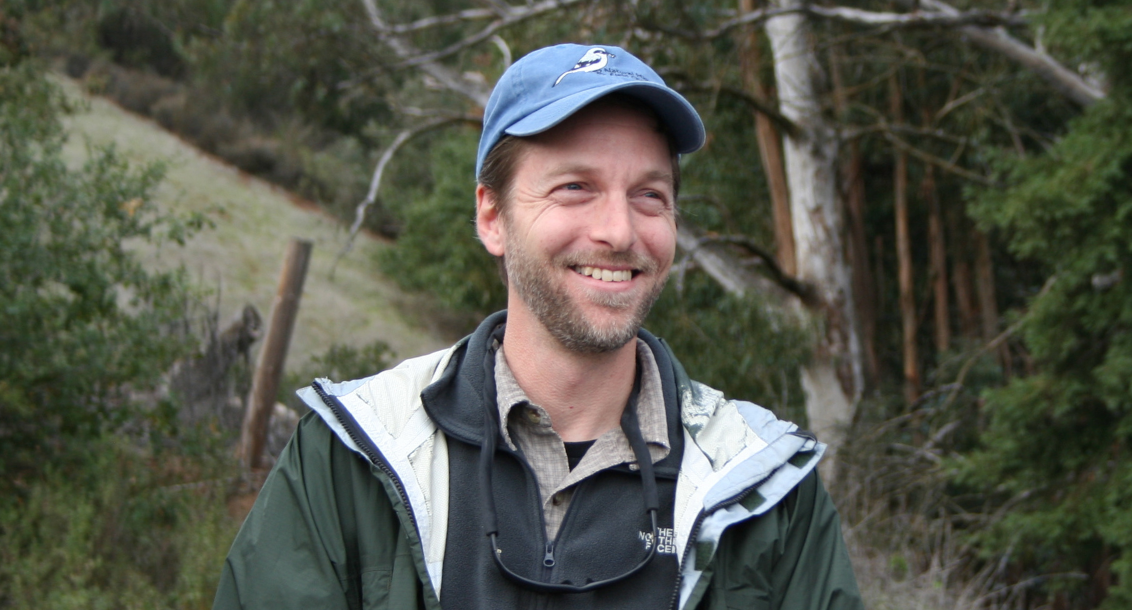
Staff Spotlight: Matt Freeman
After 12 years of service to the Santa Clara Valley Open Space Authority, Assistant General Manager Matt Freeman has announced his retirement from the agency. Keep reading to learn how Matt's 30-year career in land conservation, open space planning and resource management is leaving a legacy for the benefit of future generations.
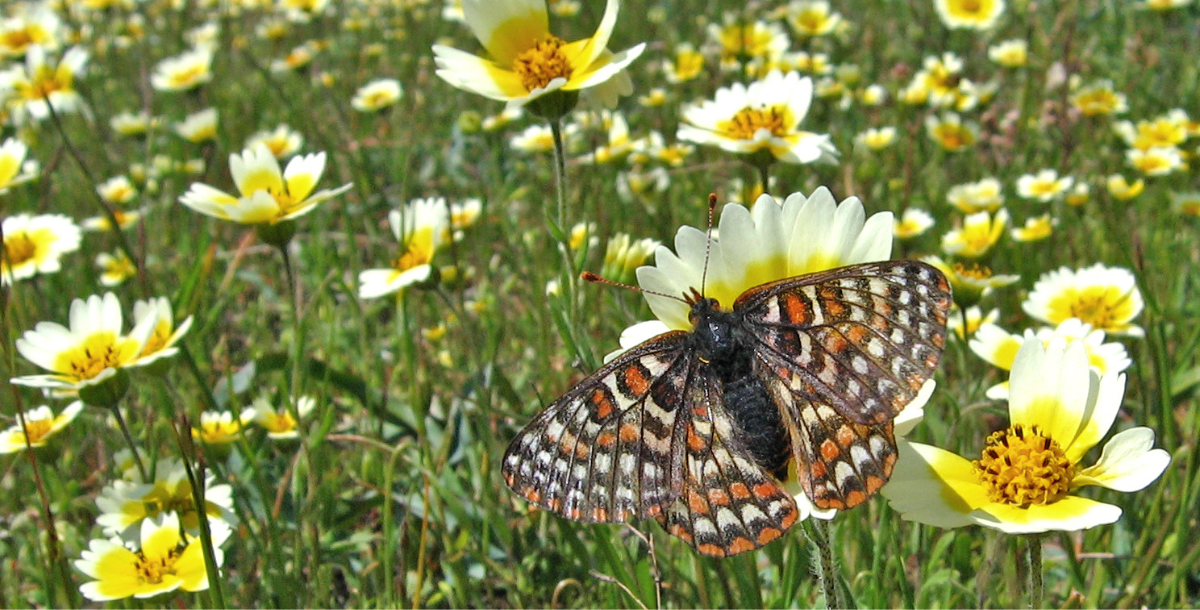
Protecting the Bay Checkerspot Butterfly
When wildflowers bloom, hills and fields become blanketed with vibrant colors and bring new life into the ecosystem. This new life comes in the form of native pollinators feasting on the wildflower nectar. One of these important creatures is the Bay checkerspot butterfly (Euphydryas editha bayensis), a federally threatened species that is the focus of ongoing research at Máyyan ‘Ooyákma – Coyote Ridge Open Space Preserve. Keep reading to learn all about their habitat, diet, lifecycle and conservation efforts to protect them!
Another Win for Agriculture in Santa Clara County
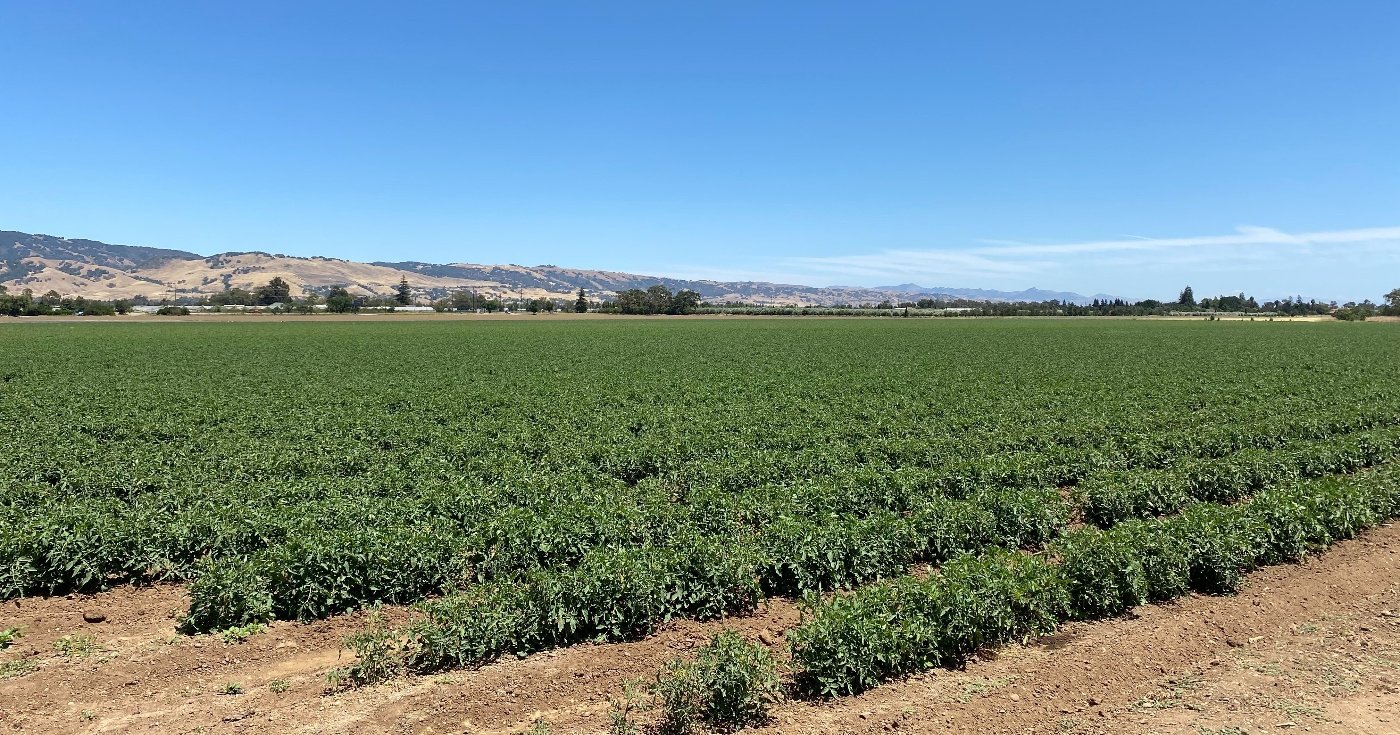
79 acres of important farmland permanently protected in San Martin
The Santa Clara Valley Open Space Authorityhas purchasedan Agricultural Conservation Easement (ACE) for 79 acres of important farmland, locatedin a priority conservation area off Monterey Highway in San Martin. The farmland, initially anticipated to become a residential subdivision, has been in agricultural production for over 55 years, and is now permanently protected for agricultural use.
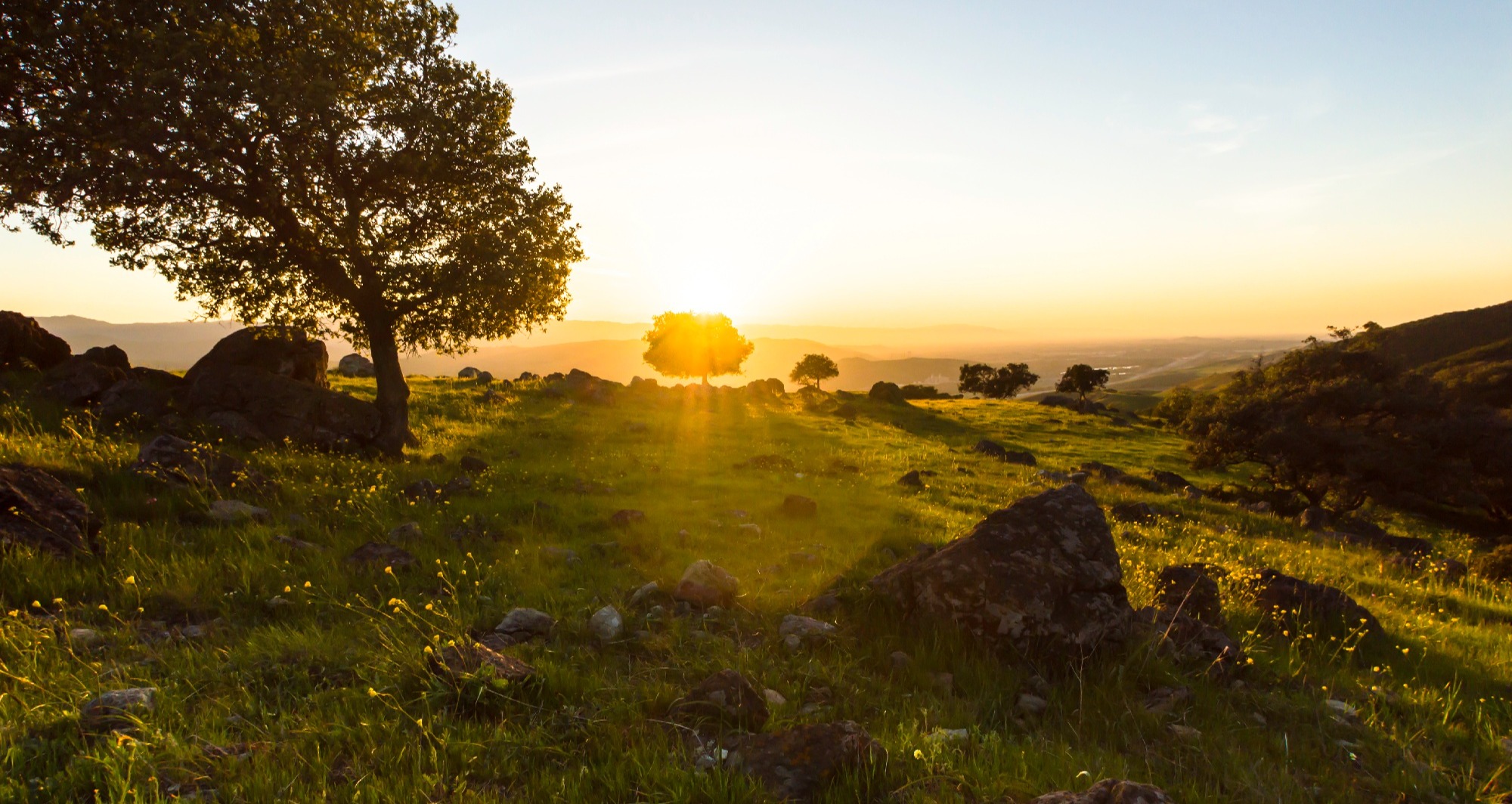
Message from the General Manager
Dear Friends,
We are only one month into 2024 and already there is much to celebrate!
Keep reading for the full February update from Andrea Mackenzie, the General Manager of the Santa Clara Valley Open Space Authority!
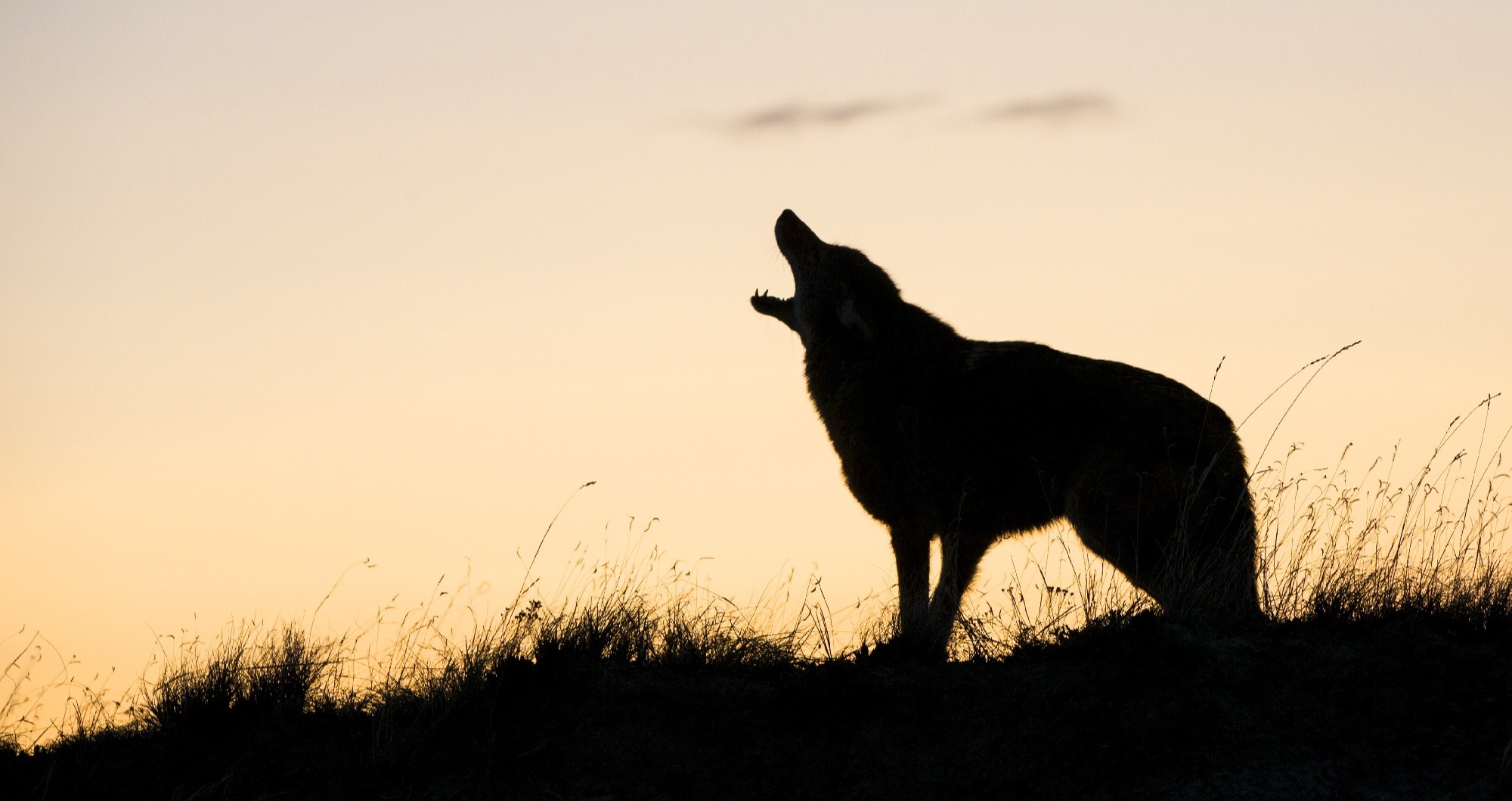
Wildlife Grammy Awards
Ah, the GRAMMY Awards. This annual event presents what many regard to be the most prestigious and significant awards in the music industry worldwide. But while everyone else gushes about Best New Artist and debates who was robbed of Album of the Year, we’re celebrating a very different category of music...
Keep reading to discover ten of Santa Clara Valley’s most talented wildlife musicians.
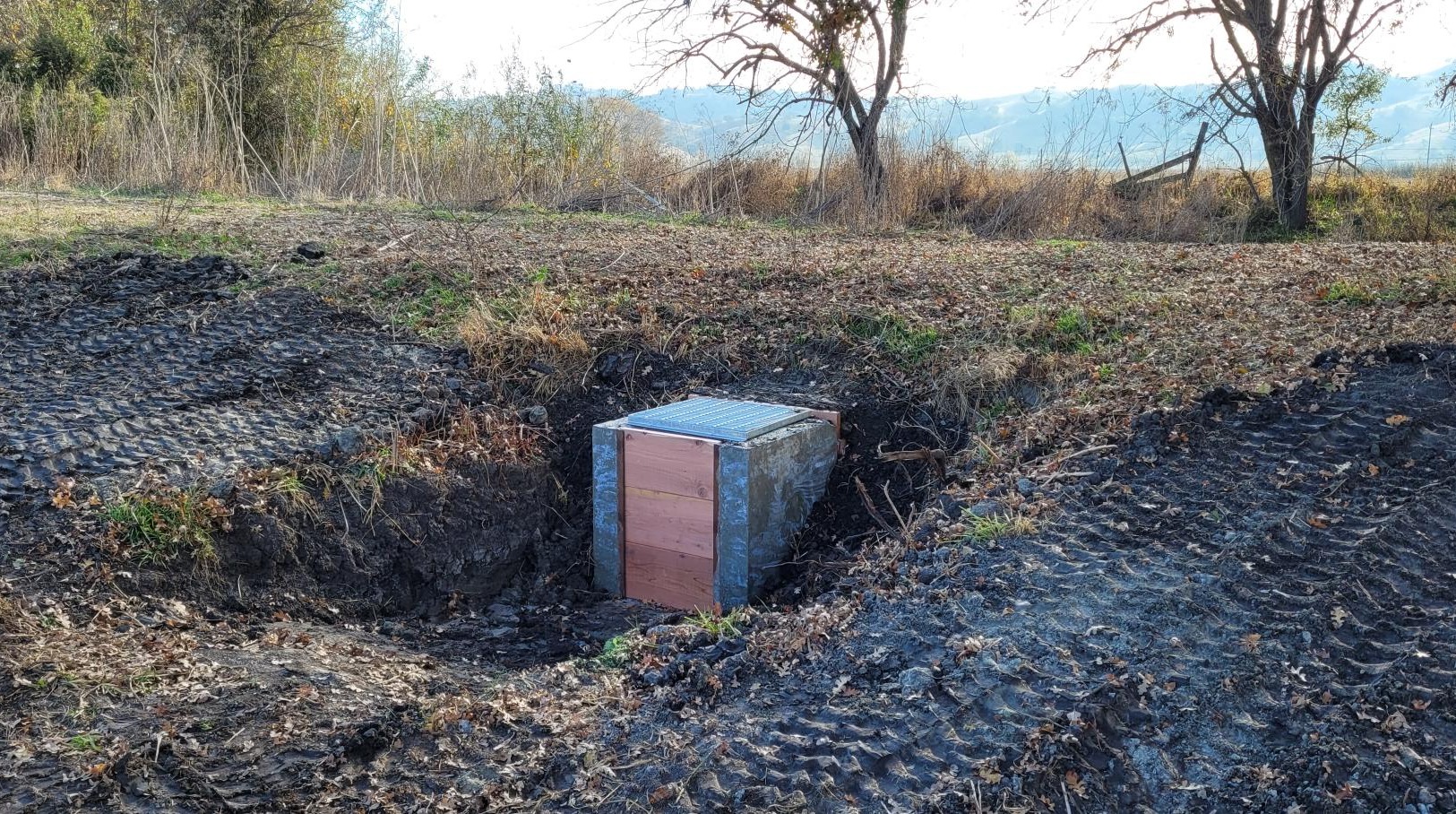
Weir Wetland News
The cycle of nature continues, and in the winter months, water breathes life into Coyote Valley. Just before the December (2023) rainfall, the dedicated staff of the Open Space Authority installed a special “weir” at Spreckels Wetland to assist in the revitalization of a historic wetland in Coyote Valley. Keep reading to learn how this project is helping make the best use of water to benefit people, wildlife and the natural and working lands that sustain us.
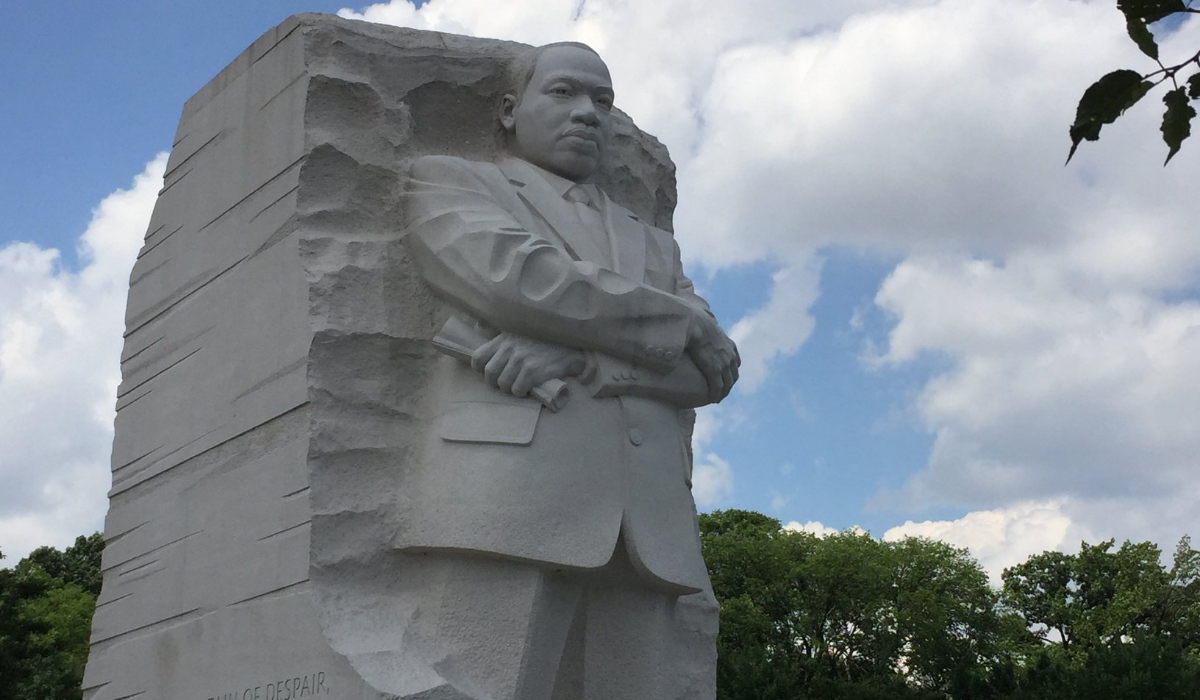
Honoring Dr. King's Environmental Legacy
Martin Luther King Jr. Day is celebrated the third Monday each January in recognition of Dr. King’s incredible life and legacy as a civil rights leader. Many are aware of Dr. King’s lifelong pursuit of equal rights, but did you know the impact of his work continues to this day through the environmental justice movement?
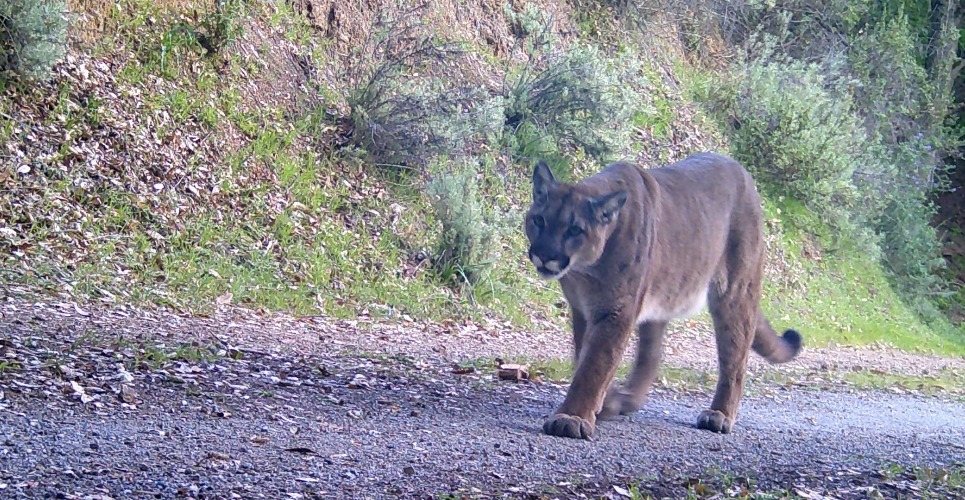
Wildlife Thesaurus: Top 10 Native Animals with Nicknames
There are many different names you could use to refer to the animal species that live in Santa Clara Valley's open spaces! You can refer to them by their scientific names or their common names, but common names can get confusing when species have many that are used interchangeably.
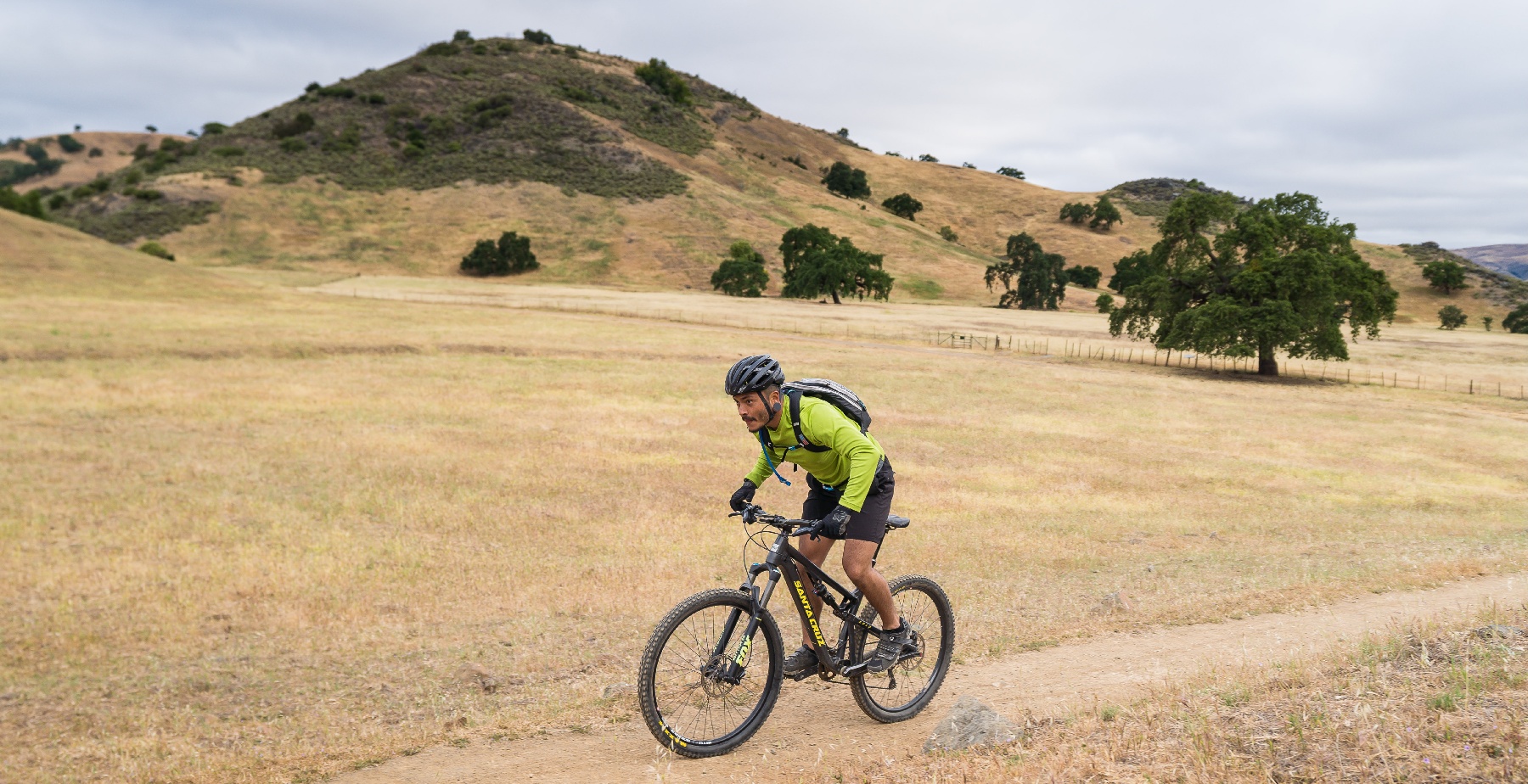
Ring in the New Year
As part of a trial program aimed at enhancing safety on the multi-use trails, the Open Space Authority has recently introduced a Bike Bell Station at the information kiosk of Coyote Valley Open Space Preserve. This addition encourages mountain bikers to prioritize responsible recreation by ringing their bells when passing fellow visitors and navigating blind turns to contributes to the safety and overall enjoyment of all trail users.
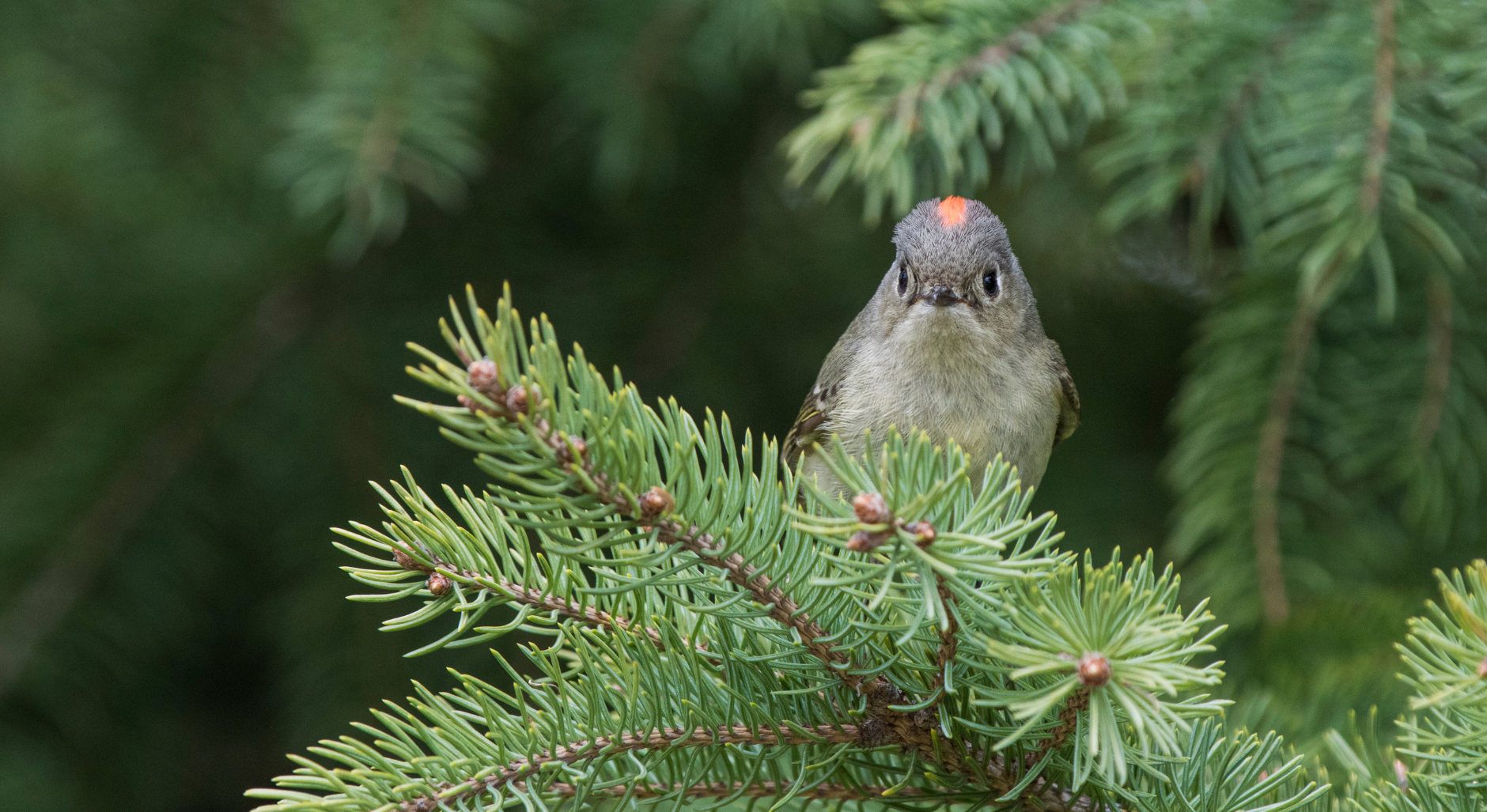
Christmas Bird Count Takes Flight in Santa Clara valley
December 2023 marks the 124th Christmas Bird Count, the nation’s longest-running community science bird project. From mid-December to early January each year, the Santa Clara Valley Audubon Society (SCVAS) sponsors these efforts by coordinating volunteers who venture out to the open spaces of San José, Palo Alto, Morgan Hill, and Mount Hamilton to take part in assessing the health of bird populations and to help guide future conservation action.
Categories
Recent Posts
- Staff Spotlight: Matt Freeman
- Protecting the Bay Checkerspot Butterfly
- Another Win for Agriculture in Santa Clara County
- Message from the General Manager
- Wildlife Grammy Awards
- Weir Wetland News
- Honoring Dr. King's Environmental Legacy
- Wildlife Thesaurus: Top 10 Native Animals with Nicknames
- Ring in the New Year
- Christmas Bird Count Takes Flight in Santa Clara valley

Charlotte Graham
Public Information Officer
cgraham@openspaceauthority.org