The Future of Agriculture
Sustainable agriculture uses climate-smart techniques that grow food and simultaneously benefit the ecosystem, creating resilience by improving soil health. At its core, sustainable agriculture uses the Earth’s natural cycles and cultivates a wide variety of plant species and crops that sustain the wellbeing of both people and the planet.

Everyone needs food. Yet nearly 10 percent of Santa Clara County residents struggle to purchase food on a regular basis and lack access to reliable food sources. As we continue to experience the negative impacts of climate change, protecting local farms and ranches that use sustainable agriculture to provide the Santa Clara Valley community with fresh food will be an imperative piece of the Open Space Authority’s work.
So what does sustainable agriculture look like in practice? Here are some of the most common techniques:
Cover Cropping
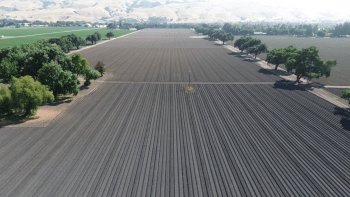
Example of Cover Cropping: The Open Space Authority has planted a blend of grasses and legumes, including oats, bell beans and peas on 50 acres of land in Coyote Valley. These crops will increase organic matter in and fix the nitrogen content of the soil, building a foundation for healthier crops and increased nutrient availability.

Organic Farming
Example of Organic Farming: The Authority’s Pajaro River Agricultural Preserve exemplifies organic and non-toxic practices. This property – split into two parcels – was acquired by the Authority in 2014 and 2016 and features an organic farm on the South property and one well on its way to organic in the north. Luis Urias of UC Farms, uses natural disease and pest control measures that reduce the number of pests and benefit the surrounding crops.

No-till or Reduced Till Farming
Example of a reduced-till farm: Three Feathers Farm, a local farm in Morgan Hill, implements a number of regenerative agriculture strategies, including reduced tillage. On a reduced-till farm, tilling takes place less frequently. In its place, Three Feathers Farm implements regenerative agriculture, including the use of cover crops and organic matter to protect its harvests.

Managed Conservation Grazing
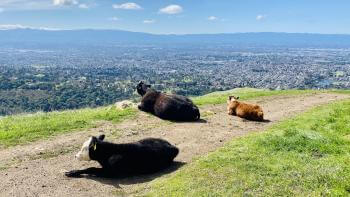
Example of managed grazing: The Open Space Authority uses efficient mapping technology to determine which natural areas need to be managed through grazing. Once the locations are determined, the Authority invites its ranching partners to bring cattle to open space sites to graze. The cattle then munch on invasive grasses and flammable vegetation, reducing problematic flora and fuel for wildfires.

Wildlife Friendly Agriculture
While sustainable agriculture remains a keystone approach to farming and ranching, wildlife-friendly agriculture also plays an important role for the Open Space Authority to maintain the biodiversity and health of local ecosystems. The Pajaro River Agricultural Preserve, a 284-acre piece of farmland located in south Santa Clara County, is a prime example of wildlife-friendly agriculture.
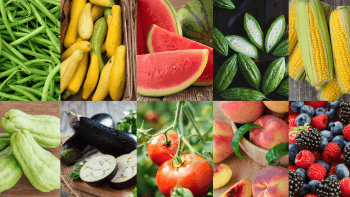
This farmland provides an abundance of fresh, organic food including tomatoes, peppers and green beans while also being a critical passageway for native wildlife that cross from the Santa Cruz Mountains to the Diablo Range. As a result, wildlife-friendly agriculture improves the biodiversity and survival rates of sensitive species, like mountain lions, bobcats and deer. In addition, species like the white-tailed kite thrive at the preserve while helping to keep pests, like rodents, from overpopulating and destroying crops.
Both sustainable agriculture and wildlife-friendly agriculture will continue to shape how the Open Space Authority approaches agriculture in the future.

The Future of Agriculture at the Open Space Authority
In 2024, the Open Space Authority hired our first Agricultural Specialist, Anna Regalado, paving the way to develop deeper connections within the local agricultural community and better support farms and farmworkers. Now, Anna’s working in tandem with valued stakeholders to develop our first Agricultural Strategic Plan. The plan will guide our continued efforts to be a champion of agriculture across the Santa Clara Valley and will include:
- Defining the Authority’s agricultural niche and creating a long-term vision and goals
- Building a stakeholder group to inform the plan and our continue work in the agricultural space
- Supporting farms and ranches within our jurisdiction, and beyond
- Building regional partnerships and alignment
- Being a leader within the agricultural space by:
- Finding opportunities for partnership and collaboration
- Building pathways for equitable and accessible land access for farmers and ranchers on our lands
- Finding solutions to challenges that farmers and ranchers consistently face
As the Open Space Authority continues to develop our Agricultural Strategic Plan, stakeholder involvement will remain a priority to give those most directly involved in the agricultural space a seat at the table.
The Open Space Authority’s Agricultural Strategic Plan is set to be finalized by mid-2026. Have a question for Anna, our Agricultural Specialist? Send Anna a message here.
Related Posts