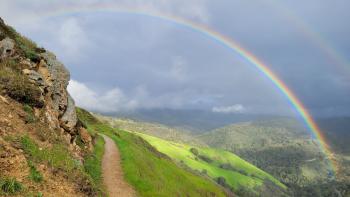
Good Fire: Prescribed Burns
When you hear the term “good fire,” what comes to mind? Fire is often associated with intensity and destruction. Yet, when contained and used to care for open space, fire can be calm, transformative and a healthy land management tool. Prescribed burns are considered “good fire” because they’re set within a predetermined space to reduce the amount of plant or grass overgrowth and invasive vegetation. When land managers implement the use of prescribed burns, they’re proactively decreasing the amount of natural material available that can negatively impact the environment. Let’s dig a little deeper to understand the origins of prescribed burns and how they positively affect land, water, wildlife and people.
Indigenous Cultural Burns
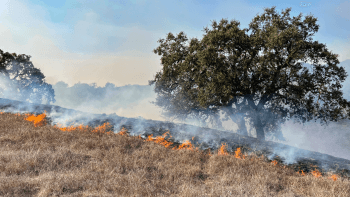
Prescribed burns are more than just a modern-day land management tool. Since Indigenous people first cared for the land, they’ve been setting “Cultural Burns” to promote healthy soil and crops.
Burning is an important spiritual, cultural and agricultural practice for Native people throughout much of California and our region. For Native people, like the Muwekma Ohlone, fire has a cultural and spiritual dimension and harkens back to a way of life and relationship to the land that predates colonization.
Today, local Native Tribes continue to set Cultural Burns to connect with their ancestry and care for the land. When fire is set to the land, Tribes who use Cultural Burns welcome change over a four-year period that includes:
- Post-burn Year 1: The fire has created great conditions for the seeds and soil to thrive.
- Post-burn Year 2: Plants take hold of the soil, deepen their roots and reproduce.
- Post-burn Year 3: Plants are well-nourished and well-established, leading to increased crop output.
- Post-burn Year 4: The plants grow stronger, and fibers from the plants are used for crafts and building homes.
Cultural Burns demonstrate that the land is a gift that we must care for so that, in time and with patience, it can also care for us.
Caring for the Land with Fire
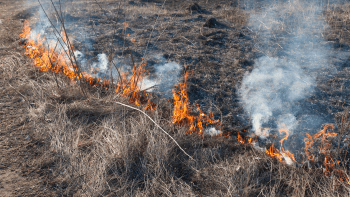
The land in your open spaces is primarily dominated by grassland, an important habitat for many species including bobcats, American badgers and coyotes. However, much of the grasslands throughout the Santa Clara Valley consist of invasive grass species that quickly grow and overconsume limited natural resources, like sunlight and water. Prescribed burns are used as a management tool to reduce the amount of invasive vegetation, setting the stage for native plant roots to take hold and occupy the space and providing long-term benefits to the land, water, wildlife and nearby communities.

The Benefits to Nature
Land
Prescribed burns benefit native plants and the soil they grow in. Native plant species thrive when they’re not in competition with invasive grass. Plus, prescribed burns have the potential to disrupt the seed bank lying beneath the soil, encouraging native plants that rely on fire for survival to take root in a place where they were once dormant. As a result, post-burn areas may see a slow shift in the plant community to one that resembles habitats once managed by local Native Tribes before European contact.
A prescribed burn also boosts the health of the soil. Ash from the fire is mixed into the existing soil, acting as an easily accessible source of nutritious minerals for native plants.

Water
Prescribed fires also have the ability to improve how water flows within open space. When dense vegetation is cleared from the land, it gives rainwater a chance to settle and sink into the soil rather than immediately running off into nearby bodies of water. As a result, the flow of water slows, making it possible to retain more drinking water for humans and wildlife. This also benefits the region’s water system.
Prescribed burns also lower the likelihood of erosion, or the wearing away of the earth’s surface. When native plants have room to thrive, they’re able to sink their roots deep into the ground, creating a strong soil structure and reducing the amount of sediment that typically ends up in the water system.

Wildlife
Wildlife have more room to roam their native habitat when land managers implement prescribed burns and reduce the amount of dense grassland where many species hunt for food. Prescribed burns may also benefit sensitive species, like the Bay checkerspot butterfly, by making room for their host plant to grow and providing habitat for the butterfly to shelter, bask in the sun, eat and lay their eggs. Thanks to prescribed burns, Bay checkerspot butterflies and sensitive wildlife species are more likely to thrive within their native habitat
People
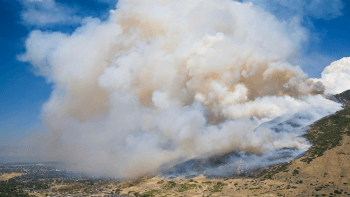
The removal of invasive vegetation through prescribed burns decreases the likelihood that humans will experience devastating wildfires. When humans proactively reduce wildfire fuel, people and their communities become more resilient to the impacts of wildfires. Explore how caring for nature can build wildfire resilience in Santa Clara Valley.
In 2026, the Open Space Authority plans to use prescribed burns to care for the land, increase the availability of native plants and improve wildlife habitat while reducing the likelihood of wildfires. Here is the proposed timeline* for prescribed burns at your open space preserves (*timeline is subject to change based on the current conditions on the day of the planned burns):
- July 2026: Staff will develop a burn plan, reach out to agencies and present to the Land Use and Stewardship Committee
- August 2026: Staff will test and check equipment and present to the Board of Directors
- September 2026: Staff will mow strips, remove vegetation from containment lines, send a notice to partner agencies that includes firefighting resources, create a stakeholder and neighbor notification list and determine preserve closure needs.
- Late September/Early October 2026: One month before the burn window, staff will send a notice to residents and partner agencies, post a notice on preserve sign boards and update our website with notifications.
- October 2026 (two weeks before the burn window): Signage will be posted on sandwich boards at the preserve to alert visitors of the upcoming prescribed burns.
- October 2026 (one week before the burn window): Staff will notify partner agencies and neighbors, check equipment and staff preparedness and develop day-of responsibilities and assign roles.
- October/November 2026 (one day before the burn): Staff will prepare all equipment and materials, stage the pumps and materials and the prescribed burn team will complete a walkthrough of the burn site. In addition, staff will close appropriate trails and/or preserves as needed, perform a go NO go checklist to determine if a prescribed burn meets safety standards, position teams and resources, complete a final weather check before ignition, place fire on the ground and work with the Open Space Authority's communications team to develop a post-burn media advisory and complete website updates.
Fire can be strong and untamed, but in the right context, a powerful conservation tool that helps us support and safeguard nature.
Discover additional ways in which the Open Space Authority cares for your open spaces and sign up for prescribed burn updates.
Related Posts