Our Impact


To date, the Open Space Authority has preserved approximately 30,000 acres of open space–protecting the health and well-being of the Santa Clara Valley and its residents. Additionally, this protected land connects over 1 million acres of habitat between the Santa Cruz Mountains and Diablo Range. The Open Space Authority also provides equitable access to nature through Urban Grants, with nearly $15 million invested to connect urban residents to the outdoors in their own neighborhoods.

Impact Reports

This interactive storymap includes conservation milestones, volunteer and community outreach efforts, highlights of our agricultural program's progress and a look ahead to 2026. Explore the report here.
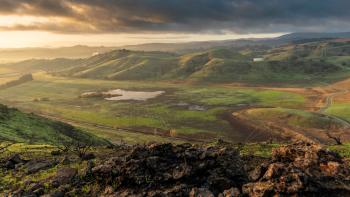
In 2023, we released our interactive 30-Year Impact Report, highlighting the agency's accomplishments made possible by partners, volunteers and supporters. Explore the report here.
This report was a finalist in the 2024 ArcGIS StoryMaps Competition.
Past Year In Review Reports

Investing in Nature-based Solutions
Through our work, we are demonstrating how strategic investments in conservation, smart land use policies and urban design can provide cost-effective, efficient nature-based resilience to climate change, while also providing many other ecological, economic and quality of life benefits – now and in the future.